

Choosing the right area rug can completely change how a room looks, feels, and functions. A well-chosen rug anchors furniture, adds warmth, reduces noise, and protects flooring. A poor choice, on the other hand, can look awkward, wear out quickly, or become a constant source of frustration.
This area rug buying guide is designed to help you make the right decision the first time. Instead of focusing on trends or brand hype, we will break down the practical factors that actually matter: size, material, pile height, durability, maintenance, and how rugs perform in real homes with kids, pets, and daily foot traffic.
Whether you are furnishing a living room, bedroom, dining area, or hallway, this guide will give you a clear framework for choosing an area rug that fits your space and lifestyle.
- Why Area Rugs Matter More Than You Think
- How to Choose the Right Area Rug Size
- Understanding Area Rug Materials
- Pile Height and Rug Construction Explained
- Choosing an Area Rug Based on Room Type
- Durability, Maintenance, and Cleaning Considerations
- Area Rugs for Homes With Kids and Pets
- Common Area Rug Buying Mistakes to Avoid
- How Much Should You Spend on an Area Rug?
- Final Thoughts: Choosing the Right Area Rug
Why Area Rugs Matter More Than You Think
Area rugs are often treated as decorative accessories, but they play a functional role in most homes. A good rug helps define zones in open-concept layouts, creates visual balance, and makes hard flooring more comfortable underfoot.
In colder climates or air-conditioned homes, rugs add insulation and warmth. In apartments or multi-story homes, they reduce noise transfer. In high-traffic areas, they protect expensive flooring from scratches and wear.
Because rugs are used daily, buying the wrong one usually becomes obvious very quickly. This is why understanding the basics before purchasing is so important.

How to Choose the Right Area Rug Size
Size is the most common mistake people make when buying an area rug. A rug that is too small can make a room feel disconnected and unfinished.
- Living rooms: The rug should typically be large enough for at least the front legs of sofas and chairs to sit on it. In larger spaces, all major furniture pieces should fit fully on the rug.
- Bedrooms: The rug should extend beyond the sides and foot of the bed. A common rule is to choose a rug that leaves visible rug space when you step out of bed.
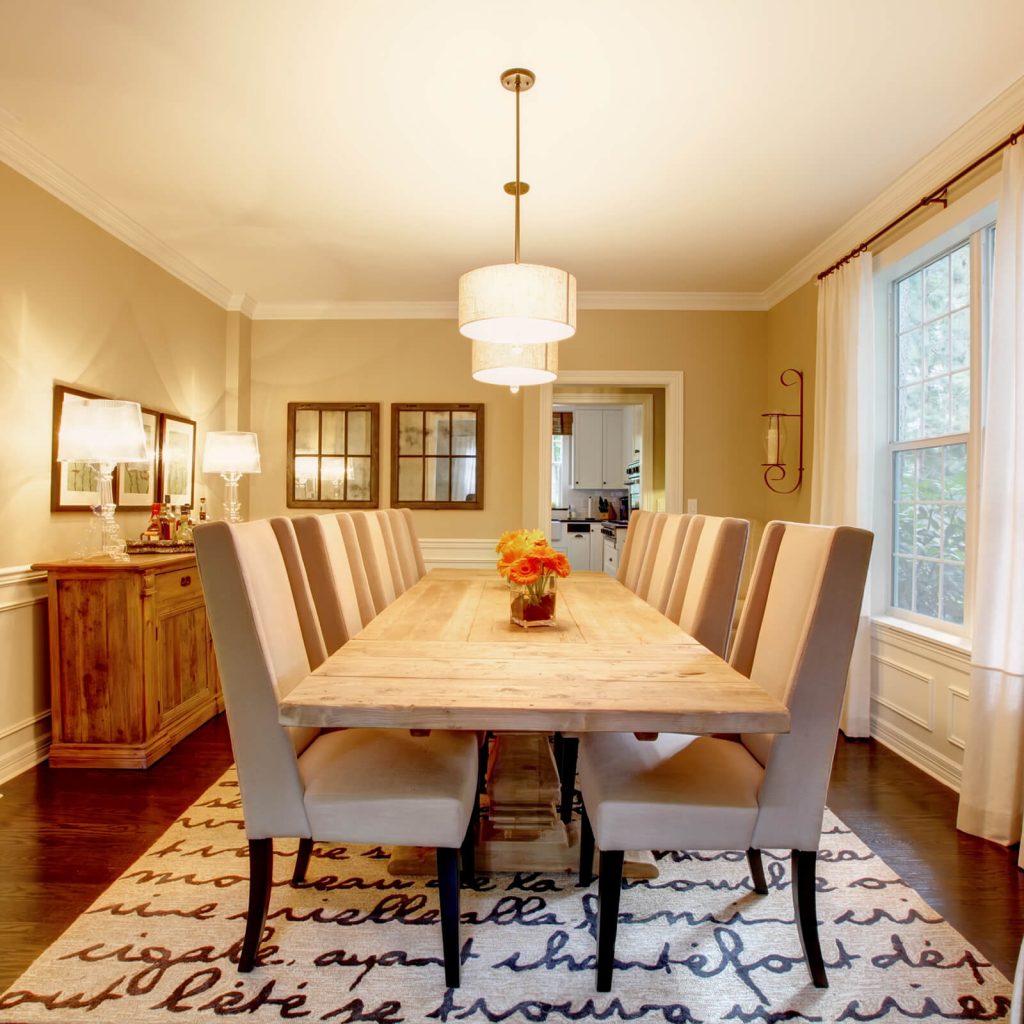
- Dining rooms: The rug must be large enough to accommodate chairs even when they are pulled out. If chairs catch on the edge of the rug, it becomes impractical very quickly.
- Hallways and entryways: Runners should leave some floor visible on both sides to avoid a cramped look.
Understanding Area Rug Materials
The material of an area rug affects its durability, softness, appearance, and maintenance requirements. There is no single best material for every home.
- Wool rugs: Known for durability, natural stain resistance, and a plush feel. They work well in living rooms and bedrooms but may shed initially and usually cost more.
- Cotton rugs: Lightweight, affordable, and often washable. Best for low-traffic areas or casual spaces, but they wear out faster than wool.
- Synthetic rugs (polypropylene or polyester): Popular for busy households. Stain-resistant, budget-friendly, and easy to clean, making them ideal for homes with kids or pets.
- Natural fiber rugs (jute, sisal, seagrass): Offer texture and a relaxed aesthetic, but are less forgiving when it comes to spills and moisture.
- Silk or viscose rugs: Soft and visually striking but require careful maintenance. Best reserved for low-traffic areas.
Pile Height and Rug Construction Explained
Pile height refers to how tall the rug fibers are.
- Low-pile rugs: Easier to clean and more durable in high-traffic areas. Better for dining rooms and offices where chairs need to move easily.
- Medium-pile rugs: A balance between comfort and practicality. Great for living rooms and bedrooms.
- High-pile or shag rugs: Soft underfoot but trap dirt and are harder to maintain. Best used sparingly in low-traffic spaces.
Construction methods also matter. Hand-woven or hand-tufted rugs tend to be more durable and unique. Machine-made rugs are more affordable and consistent in quality, making them a practical choice for many homes.
Choosing an Area Rug Based on Room Type
Different rooms have different needs, and the best rug for one space may be unsuitable for another.
Living rooms benefit from durable materials and medium pile heights that can handle daily use. Bedrooms allow for softer textures and thicker piles for comfort. Dining rooms require flat, easy-to-clean rugs that accommodate chair movement. Entryways and hallways need low-pile, hard-wearing rugs that resist dirt and moisture.
Matching the rug’s performance to the room’s function is one of the most important buying decisions.
Durability, Maintenance, and Cleaning Considerations
Before buying an area rug, it is important to consider how much effort you are willing to put into maintenance. Some rugs require frequent vacuuming and professional cleaning, while others are designed for easy care.
Homes with pets or children benefit from stain-resistant materials and darker or patterned designs that hide wear. Light-colored rugs look beautiful but show dirt more easily.
Checking whether a rug can be spot cleaned or professionally cleaned will save headaches later.
Area Rugs for Homes With Kids and Pets
For busy households, practicality should come first. Synthetic rugs with tight weaves are generally the easiest to live with. Low to medium pile heights reduce trapped hair and debris.
Patterned rugs help disguise stains and wear. Non-slip rug pads are essential for safety and comfort, especially on hard floors.
Avoid delicate natural fibers or light-colored rugs in high-traffic family areas.
Common Area Rug Buying Mistakes to Avoid
Many buyers focus only on appearance and forget about function. Choosing a rug that is too small, too delicate, or unsuitable for the room often leads to regret.
Another common mistake is skipping the rug pad. A proper rug pad improves comfort, prevents slipping, and extends the life of the rug.
Failing to measure the space accurately before buying is another frequent issue. Always measure first.
How Much Should You Spend on an Area Rug?
There is no universal rule for pricing, but a rug should be viewed as a long-term investment. Spending more on rugs in high-traffic areas often pays off through better durability and comfort.
Budget rugs can still perform well if chosen carefully, especially in low-traffic rooms. The key is aligning expectations with usage.
Final Thoughts: Choosing the Right Area Rug
Buying an area rug does not need to be overwhelming. By focusing on size, material, pile height, durability, and room function, you can narrow down options quickly and confidently.
A good rug enhances both the look and livability of your home. A poor one becomes an annoyance. Taking the time to choose wisely makes all the difference.
Leave a Comment